
Knowle Park, Cranleigh
A quiet constant in the village
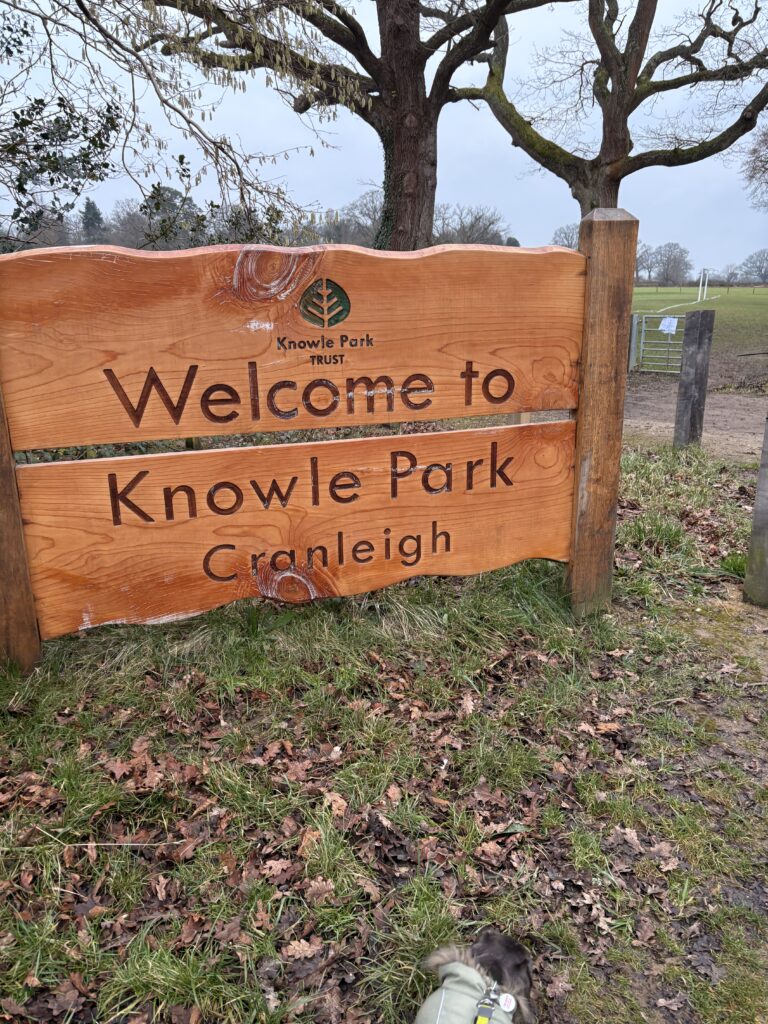
In the centre of Cranleigh sits Knowle park.
Its not loud, not showy, just beauty at its best.
It’s the kind of place that feels the same even when life doesn’t.
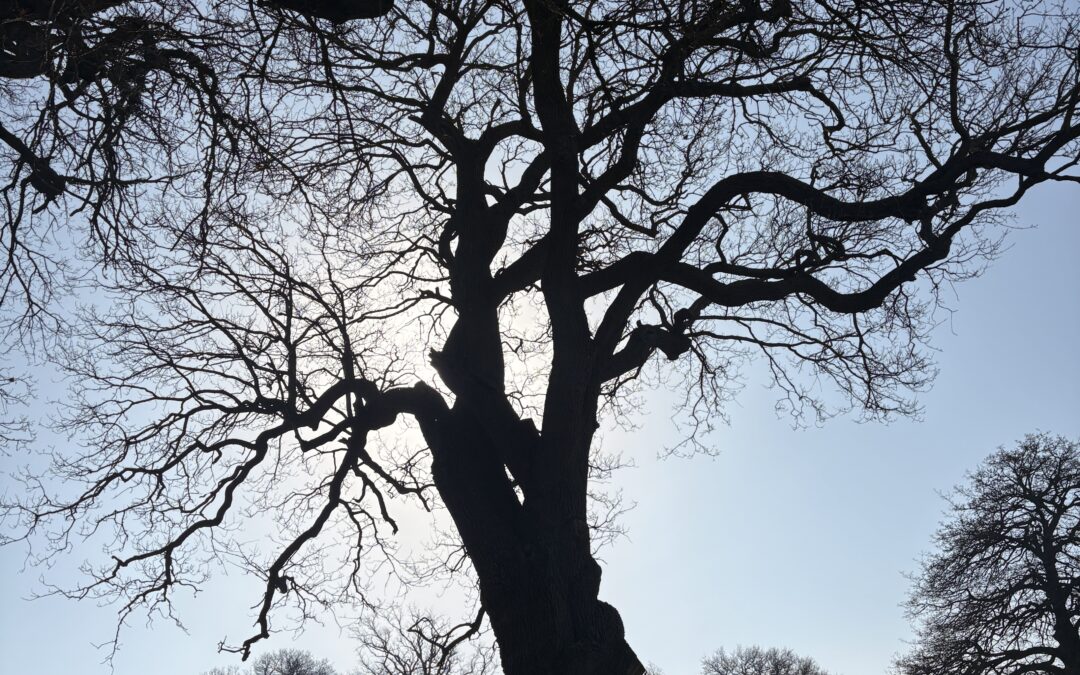
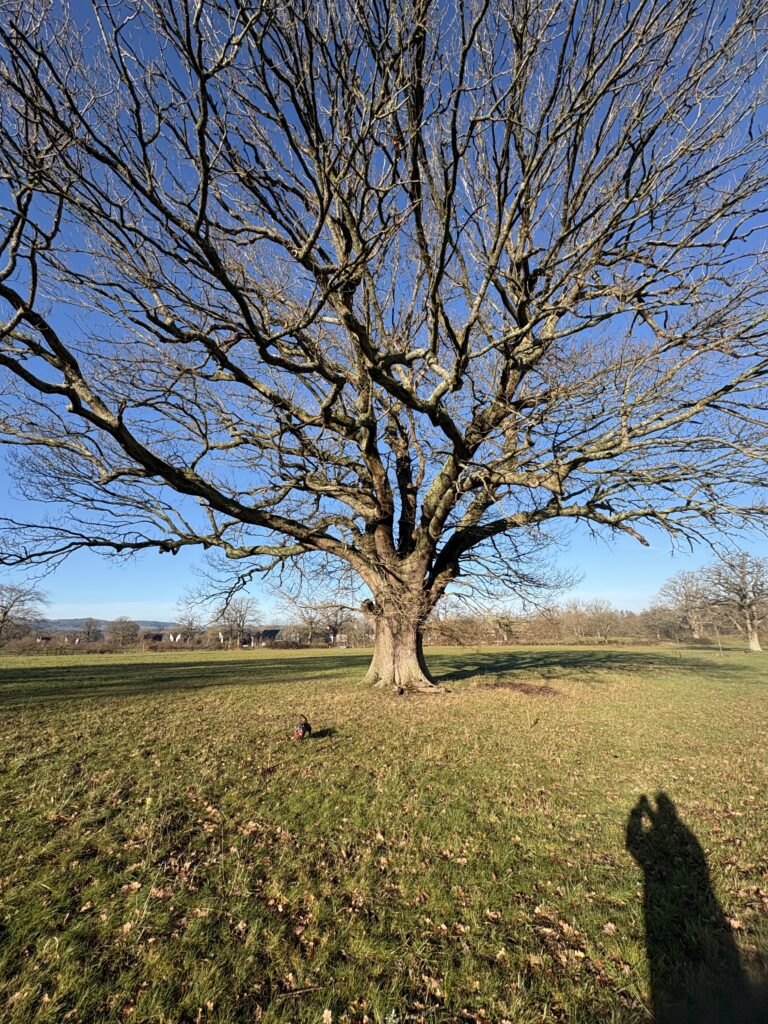
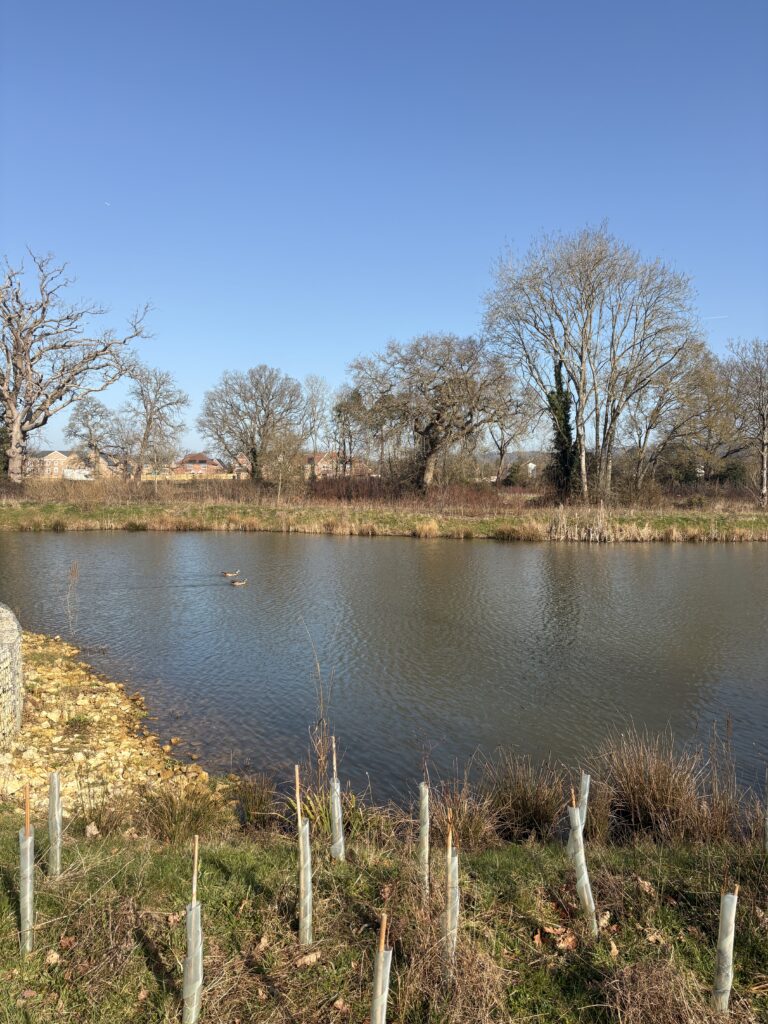
You walk in and the noise drops. The trees rise tall around the lake, creating a canopy that shifts with the seasons. In summer the light filters through in soft patterns across the paths. In autumn the ground turns bronze and gold. In winter, the branches stand bare and architectural against the sky.
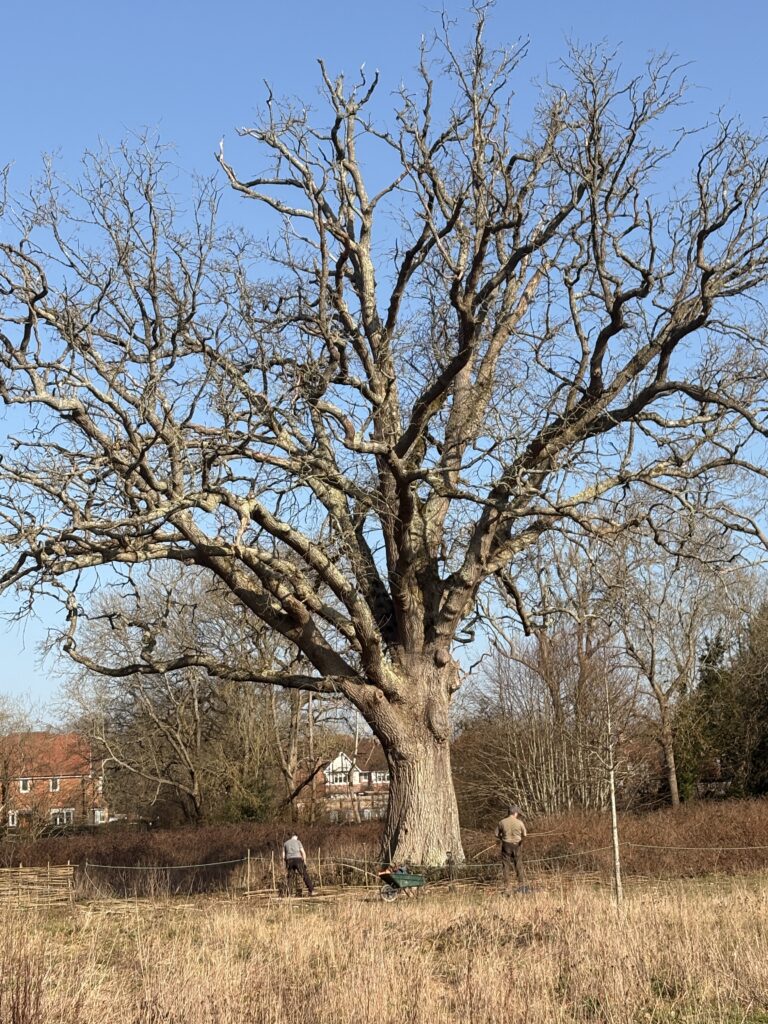
Some of these trees have stood for generations. They’ve quietly watched Cranleigh expand and modernise around them. They are older than many of the houses that now frame the park. Rooted. Unrushed.
There is something regulating about mature trees. They don’t hurry. They don’t react. They just stand.
The Lake, The Swans, The Birds
The lake forms the heart of the park.
Swans glide across it with that calm authority that only swans seem to have. They are protective, yes — but composed. You often see them paired, moving slowly through reflected branches.
Around them:
- Moorhens weave in and out of reeds
- Mallards cluster near the banks
- Wood pigeons sit heavily in the trees
- Robins appear if you walk quietly
It’s a layered soundscape — water movement, wings, distant chatter. Not silence, but a softer rhythm.
Even on busier days, the centre of the lake remains still.
The History
Knowle Park has long been part of Cranleigh’s green heart, evolving as the village itself has grown. What began as part of larger estate land became a public space for the community — a place to gather, walk, and pause.
Like much of old Cranleigh, its history is not dramatic but steady. It reflects the agricultural roots of the village and the gradual shaping of shared community space. Over time, paths were formed, benches added, the lake maintained.
It is a lived-in landscape rather than a curated one.
The Volunteers
One of the quiet strengths of Knowle Park is the people who care for it.
Local volunteers work behind the scenes — maintaining planting, supporting conservation, organising litter picks, protecting habitats. Their work is not always visible, but it is felt.
Parks do not stay this calm by accident.
They are held.
There is something reassuring about knowing a community quietly looks after its green spaces.
Safe, Fenced, Dog-Friendly
For those of us who walk with dogs, Knowle Park offers something deeply comforting — defined space.
The park is fenced along key perimeters, which makes it feel contained and secure. You’re not stepping straight onto a road. There is a sense of boundary.
It allows for relaxed walking rather than hyper-vigilance.
You can move at a slower pace. Let a dog sniff. Pause at the water. Sit on a bench without scanning constantly.
It feels safe.
And that matters.
Knowle Park is not grand countryside. It’s not wild moorland. It’s not dramatic coastline.
It is something quieter.
A village park with trees that have stood for decades.
Swans that return to the same water.
Volunteers who care.
Paths that circle the lake in patient loops.
In a world that often feels fast and unsettled, it is steady.
And sometimes steady is exactly what we need.
Recent Comments